Subletting
How to Ask Your Landlord to Sublet in New York
To ask your landlord to sublet in New York, email first, then send a formal written request by certified mail. In a building with four or more apartments, state law gives the landlord 30 days to answer, says consent cannot be unreasonably withheld, and treats no answer as consent. In smaller buildings, your lease decides.
Sublet Buddy Guides4 min read
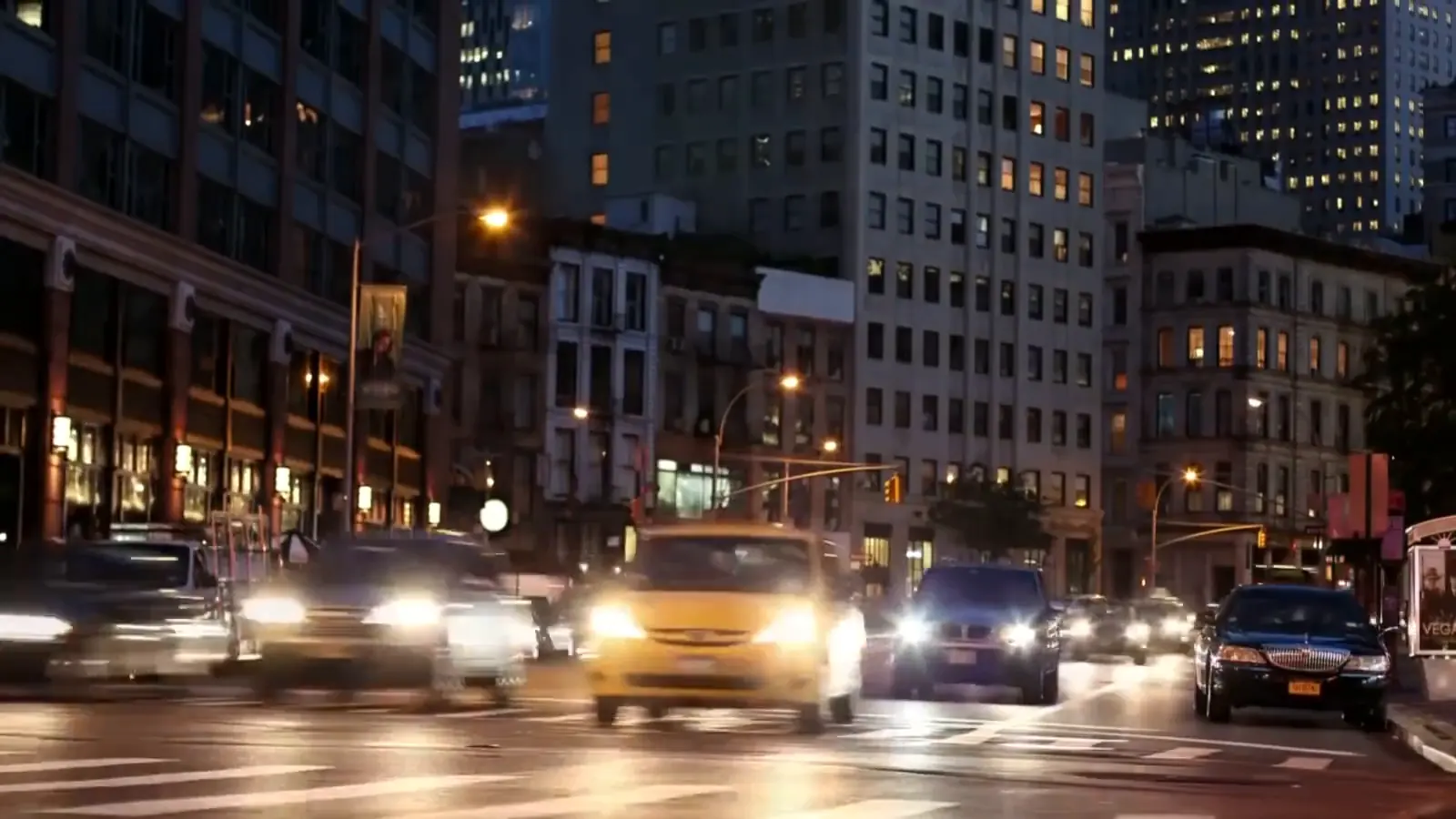
Midtown at night. Photo: Sublet Buddy.
In This Guide 8 sections
The Short Version
- Four or more apartments in the building: you have a legal right to ask, under Real Property Law 226-b.
- The formal request goes by certified mail, return receipt requested.
- The landlord has 10 days to ask for more information and 30 days to answer.
- Three or fewer apartments: there is no right to sublet, so the lease and the landlord decide.
First, Count the Apartments in Your Building
New York Real Property Law section 226-b applies to buildings with four or more residential units. If yours has four or more, you may sublet with the landlord’s written consent given in advance, and that consent cannot be unreasonably withheld. A lease clause that tries to take this right away is void.
The law does not cover public housing or co-op apartments held under a proprietary lease. Rent-stabilized apartments follow it with extra rules of their own.
Start with a Friendly Email
Before the formal letter, send a short, polite email to your landlord or management office. Say you will be away, give the dates, say you plan to come back, and say a formal request with the details is on its way by certified mail.
This is a courtesy. It does not start the legal clock, because the law asks for certified mail. But a landlord who has had a friendly heads-up is easier to deal with, and may tell you what else they would like to see.
Send the Formal Request by Certified Mail
Mail the request by certified mail, return receipt requested, and keep the receipt. The Rent Guidelines Board says to send it at least 30 days before the sublet would start. Earlier is better.
Under the statute the request has to contain:
- The term of the sublease: the start and end dates.
- The name of the proposed subtenant.
- The subtenant’s business address and permanent home address.
- Your reason for subletting, such as a semester abroad or a summer internship elsewhere.
- Your own address for the time you are away.
- The written consent of any co-tenant (a roommate on the lease) or guarantor (someone who promised to pay if you cannot).
- A copy of the proposed sublease, with a copy of your lease attached if you have it, both signed by you and the subtenant as true copies.
Because the request names the subtenant, you send it after you have chosen someone. Plan your timing around that.
The 10-Day and 30-Day Clocks
- Within 10 days of your request being mailed, the landlord may ask you for more information. The questions cannot be unduly burdensome. Answer them in writing and keep a copy.
- Within 30 days of your request, or of the extra information if they asked for it, whichever is later, the landlord has to send a notice of consent or, if they refuse, their reasons.
- If the landlord does not answer in that time, the law treats the silence as consent.
- If the landlord consents, you can sublet, and you stay responsible under your lease.
If the Landlord Says No
A landlord may refuse for a good reason. If the refusal is reasonable, you cannot sublet, and you are still bound by your lease.
If the refusal is unreasonable, the statute says you may sublet as you proposed, and you may recover costs and attorney’s fees if a court finds the landlord acted in bad faith. Whether a reason is "reasonable" is a legal judgment, so get advice before you go ahead over a refusal. Subletting without following this process counts as a serious breach of your lease.
In a Smaller Building
In a building with three or fewer apartments, the state Attorney General’s guide says tenants do not have a right to sublet. Read your lease. If it allows subletting with permission, ask the way it says to. If it is silent or says no, ask anyway, in writing, and offer the same details you would put in a formal request.
Here a written yes is the only yes. Silence does not count as consent in a small building, so do not let anyone move in until you have the answer in writing. Keep it with your sublease.
Keep Every Paper
Save the certified mail receipt, the return receipt, a copy of everything you sent, and every reply. If there is ever a question about whether you had permission, these are your answer.
Questions
Can my landlord refuse to let me sublet in New York?
In a building with four or more apartments, the landlord cannot unreasonably refuse a proper written request. In a building with three or fewer, there is no right to sublet and the landlord can say no.
How long does a landlord have to respond to a sublet request?
Under Real Property Law 226-b, 30 days from the mailing of your request, or from the extra information if they asked for it within the first 10 days. No answer in that time is treated as consent.
Does an email count as a sublet request?
An email is a good first step, but the statute calls for certified mail, return receipt requested. Send both.
What do I put in a sublet request letter?
The sublease dates, the subtenant’s name and addresses, your reason, your address while away, written consent from any co-tenant or guarantor, and a copy of the proposed sublease.
What if my lease says no subletting?
In a building with four or more apartments, a lease clause that waives the right to ask is void under the statute. In smaller buildings the lease controls.
More in Subletting
- How to Sublet Your Apartment for the Summer in NYC2 min read
- How to Handle Your Sublet: A Start-to-Finish Playbook3 min read
- Sublet Checklist: What to Do Before You Leave4 min read
- How to Write a Sublet Listing That Gets Replies3 min read
- How to Photograph Your Room for a Sublet (Phone Only)3 min read
- How to Choose a Subtenant Fairly and Lawfully4 min read
- What to Do with Your Stuff When You Sublet Your Room4 min read
- When to List Your Sublet in NYC: Timing by Season4 min read
Ask the Guide Beta
Still Have a Question?
Answers come only from our own guides, with the guides linked so you can read the detail.
Official Sources
- New York Real Property Law § 226-b: right to sublease or assign (NY State Senate)
- NYC Rent Guidelines Board: subletting FAQ
- NY Attorney General: Residential Tenants’ Rights Guide
Laws, prices and city rules change. Check these pages for the current version before you rely on any summary, including this one.
Link to This Guide
Found this useful? Share it with your club, class or readers. You’re welcome to link to it and quote it with credit.
<a href="https://www.subletbuddy.com/guides/how-to-ask-your-landlord-to-sublet">How to Ask Your Landlord to Sublet in New York</a> (Sublet Buddy Guides)This is general information, not legal advice. Rules differ by state, city, building and lease. Check your lease, get your landlord’s written approval before you sublet, and ask a local attorney about your situation.
Keep Reading
 Rules & RightsIs Subletting Legal in NYC? The Rules in Plain EnglishYes, with your landlord’s consent. What New York Real Property Law 226-b says about subletting: who it covers, how to ask, the 30-day answer, and the limits.
2 min read
SublettingSublease Agreement: What to Include Before You SignWhat a sublease agreement should include: names, exact dates, rent and due date, what is included, house rules, condition, ending early and landlord consent.4 min read
 SublettingSubletting with Roommates: How to Do It RightSubletting with roommates: tell them first, agree shared-space rules, decide who the subtenant pays, and get written consent from anyone on the lease.
4 min read