
Rules & Rights
Subletting a Rent-Stabilized Apartment in NYC: The Rules
About a million New York City apartments are rent-stabilized, and their tenants can sublet. The rules are stricter than for a market-rate apartment, and the cost of getting them wrong is higher, because what is at stake is the lease itself.
Sublet Buddy Guides4 min read
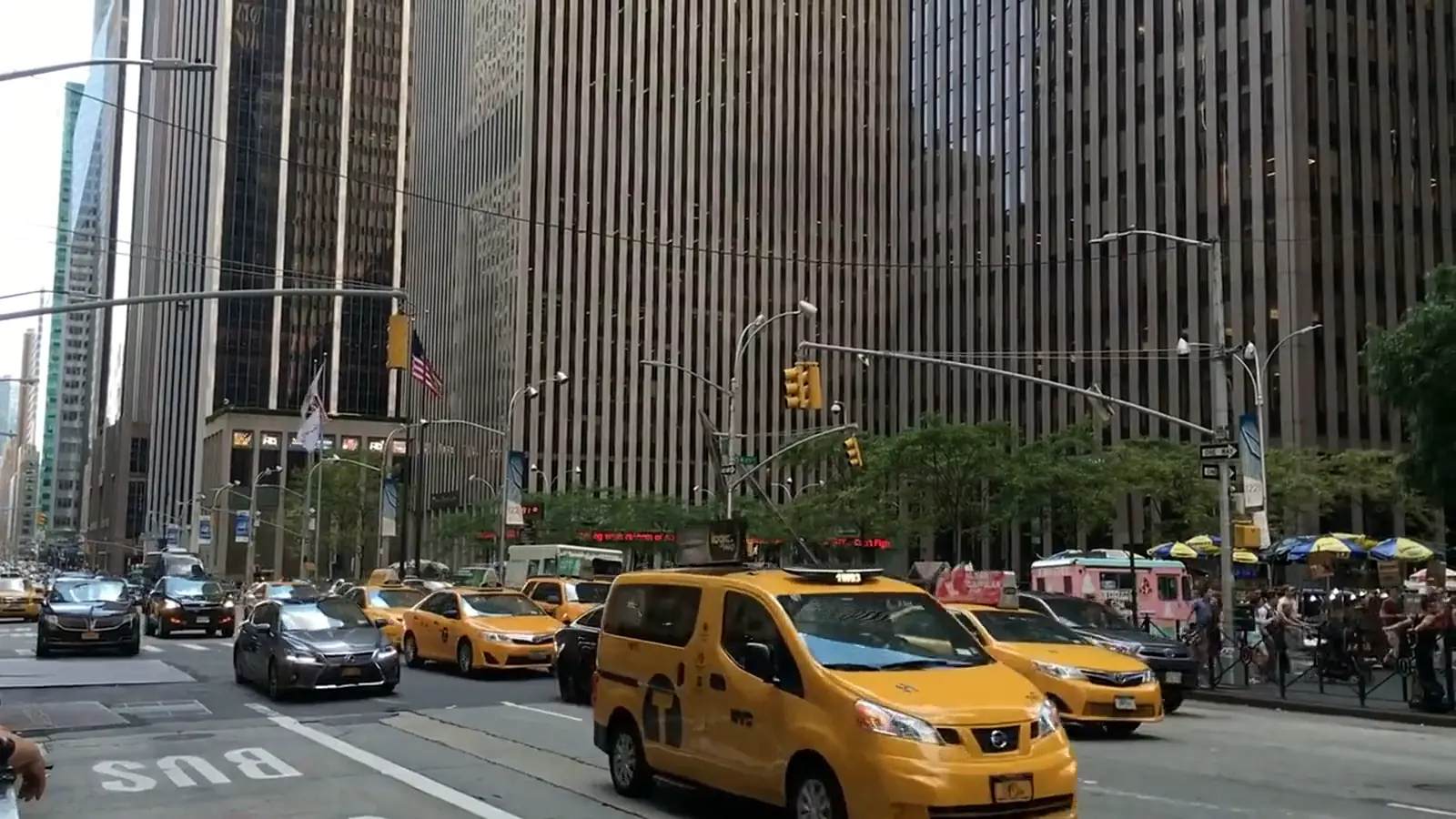
Times Square. Photo: Sublet Buddy.
In This Guide 9 sections
First, Find Out Whether You Are Stabilized
Many tenants do not know. Your lease should include a rent stabilization rider if the apartment is regulated, and your renewal offers arrive on a state form. If you are unsure, you can ask the state housing agency, Homes and Community Renewal (HCR), for the apartment’s rent history. It costs nothing and it is the authoritative answer.
Rent-controlled apartments are a separate, much smaller and older program with their own rules. If yours is rent-controlled, get advice before you do anything.
You Have the Right to Ask
Rent-stabilized tenants in buildings with four or more units are covered by Real Property Law 226-b, like other tenants. You ask your landlord in writing by certified mail, return receipt requested, with the term of the sublet, the subtenant’s name and addresses, your reason, your address while away, the consent of any co-tenant, and a copy of the proposed sublease and your lease.
The landlord can ask for more information within 10 days and must answer within 30. Consent cannot be unreasonably withheld, and if the landlord does not respond in time, the law treats that as consent. Keep every receipt.
Limit 1: It Has to Stay Your Primary Residence
A stabilized apartment is protected because someone lives in it as their home. To sublet, you must keep it as your primary residence and intend to come back when the sublet ends. A semester abroad, a summer job in another city, a few months caring for a relative: these fit. Moving out for good and keeping the cheap lease as a side business does not, and landlords do bring cases over it.
If you are leaving permanently, a sublet is the wrong tool. Ask your landlord about ending the lease or assigning it.
Limit 2: Two Years Out of Any Four
A stabilized tenant generally may not sublet for more than two years in any four-year period, counting the sublet you are planning. Most summer and semester sublets are nowhere near that limit, but repeat subletters should count their months.
A sublease can run past the end of your current lease term, and subletting does not cost you your right to a renewal lease. You are still the tenant, so renewal forms and the landlord’s notices still come to you. Do not ignore them while you are away.
Limit 3: What You Can Charge
You may not charge your subtenant more than the legal regulated rent you pay. If you sublet the apartment fully furnished, you may add a surcharge of up to 10% of that rent. That is the whole allowance.
In numbers: if your legal rent is $1,850 a month, the most you can charge for a furnished sublet is $2,035 a month. Unfurnished, it is $1,850.
Overcharging is the mistake with the sharpest teeth. A subtenant who is overcharged can pursue the tenant for the overcharge, and the Rent Stabilization Code allows damages of three times the amount, plus interest and legal fees. Charging more than the legal rent is also one of the things a landlord can point to in trying to end the tenancy.
Subletting a Room Instead of the Whole Place
Taking in a roommate while you still live there is a different thing from subletting. State law generally lets a tenant share an apartment with one additional occupant, and stabilized tenants may not charge a roommate more than a proportionate share of the rent. If you are staying and want help with the rent, that is the rule to look at. If you are leaving for a few months and someone will live there without you, it is a sublet and the process above applies.
Short-Term Rentals Are Not an Option
Rent-regulated apartments cannot be registered for stays under 30 days under New York City’s short-term rental law. Listing a stabilized apartment by the night is one of the fastest ways to lose it.
A Checklist Before You List
If any step is unclear for your building, a tenant attorney or a free tenant helpline can answer in one conversation. It is worth it for a lease that is hard to replace.
- Confirm the apartment’s status and your legal rent.
- Check you are within two years out of four.
- Pick exact dates and a return date.
- Set the price at or under your legal rent (plus up to 10% only if fully furnished).
- Send the certified-mail request with everything the statute lists, at least a month before you leave.
- Put the sublease in writing and keep the landlord’s answer.
- Leave a forwarding address so renewal notices reach you.
Questions
Can I sublet my rent-stabilized apartment?
Yes, with your landlord’s consent, if it remains your primary residence, you intend to return, and you stay within two years of subletting in any four-year period.
How much can I charge to sublet a rent-stabilized apartment?
No more than your legal regulated rent, plus up to 10% if you sublet it fully furnished.
What happens if I overcharge a subtenant?
The subtenant can seek damages, which the Rent Stabilization Code sets at up to three times the overcharge plus interest and fees, and the landlord may treat it as grounds to end your tenancy.
Can my landlord refuse?
Not unreasonably, in a building with four or more units, if you followed the certified-mail process. A landlord can refuse if the apartment is not your primary residence or the request is incomplete.
More in Rules & Rights
- NYC Local Law 18 and the 30-Day Rule, Explained4 min read
- Sublet vs. Lease Takeover vs. Short-Term Rental: Which One?4 min read
- NYC Broker Fees and the FARE Act: Who Pays Now4 min read
- NYC Security Deposit Rules: Limits and Getting It Back4 min read
- Rent-Stabilized Apartments in NYC, Explained Simply4 min read
- NYC Renters’ Rights: Heat, Hot Water and Repairs4 min read
Ask the Guide Beta
Still Have a Question?
Answers come only from our own guides, with the guides linked so you can read the detail.
Official Sources
- NYC Rent Guidelines Board: subletting FAQ
- NY Homes and Community Renewal: rent regulation fact sheets
- New York Real Property Law § 226-b (NY State Senate)
Laws, prices and city rules change. Check these pages for the current version before you rely on any summary, including this one.
Link to This Guide
Found this useful? Share it with your club, class or readers. You’re welcome to link to it and quote it with credit.
<a href="https://www.subletbuddy.com/guides/subletting-rent-stabilized-apartment-nyc">Subletting a Rent-Stabilized Apartment in NYC: The Rules</a> (Sublet Buddy Guides)This is general information, not legal advice. Rules differ by state, city, building and lease. Check your lease, get your landlord’s written approval before you sublet, and ask a local attorney about your situation.
Keep Reading
 Rules & RightsIs Subletting Legal in NYC? The Rules in Plain EnglishYes, with your landlord’s consent. What New York Real Property Law 226-b says about subletting: who it covers, how to ask, the 30-day answer, and the limits.
2 min read
 MoneyHow Much Can You Charge for a Sublet in NYC?How to price a New York sublet: the rule for rent-stabilized apartments, what most people charge, and honest math on what an empty room costs.
2 min read
 SublettingHow to Sublet Your Apartment for the Summer in NYCLeaving New York for the summer? How to sublet your room or apartment for June to August: approval, dates, price and what three empty months really cost.
2 min read