
Going Abroad
Leave of Absence: What to Do with Your Lease in NYC
On a leave of absence you have four choices for your lease: keep paying, sublet until you are back, assign it to someone else for good, or agree an early end with your landlord. Which one fits depends on a single question: are you coming back to this apartment.
Sublet Buddy Guides4 min read
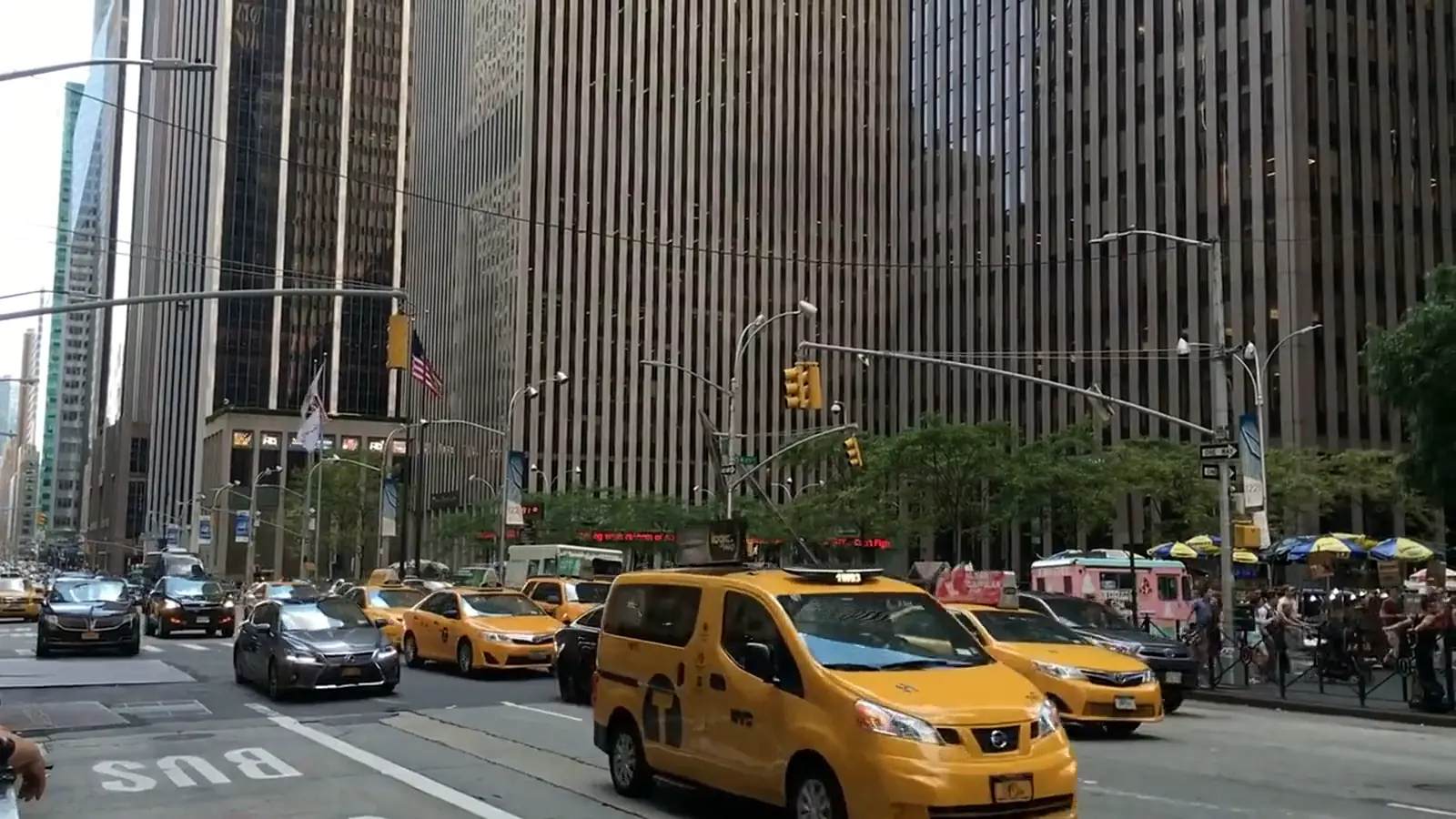
Manhattan at sunset. Photo: Sublet Buddy.
In This Guide 8 sections
The Short Version
- Coming back to the same place: sublet.
- Not coming back: ask about an assignment or an early end.
- Doing nothing costs the most. Five months at $1,850 is $9,250.
- Get whatever you agree with your landlord in writing.
First, Three Facts to Find
If you live in housing run by your school, stop here and ask the housing office. School housing has its own rules for a leave, and this guide is about private leases.
- The date your lease ends.
- Whether you are the only tenant on the lease or share it with roommates.
- Whether you plan to return to this apartment, to New York but not this apartment, or do not know yet.
Option 1: Keep the Lease and Keep Paying
Count the rent payments between the day you leave and the day you return or the lease ends, whichever is first. A spring leave from January to May is five payments. $1,850 times 5 is $9,250.
This makes sense if you are staying in the apartment during your leave, or the gap is a month or two. If the room will be empty, look at the next option.
Option 2: Sublet Until You Are Back
A sublet keeps the lease in your name while someone else lives there for a set time. It fits a leave with a return date. In buildings with four or more apartments, New York Real Property Law 226-b gives you the right to ask. The request goes by certified mail, the landlord has 30 days to answer, and consent may not be unreasonably withheld.
If you sublet at $1,700 for the five months, that covers $8,500 of the $9,250. You pay the other $750 and you remain responsible for the lease.
One caution if your apartment is rent-stabilized. The Attorney General’s tenants’ guide says the tenant must keep the apartment as a primary residence and intend to return when the sublet ends. A sublet with no plan to come back can put the lease at risk.
Get your landlord’s written approval before anyone moves in. An email that says yes is good. A text or a verbal okay is hard to prove later.
Option 3: Assign the Lease
An assignment hands your whole lease to a new tenant, who takes your place for the rest of the term. People also call it a lease takeover. It fits if you are not coming back.
The landlord has more say here. Under the same statute you need the landlord’s written consent, and it can be refused without a reason. If consent is unreasonably withheld, though, you can ask to be released from the lease on 30 days’ notice. So ask in writing either way, and keep the reply.
Option 4: End the Lease Early
You can simply ask. Some landlords will agree to end a lease early, sometimes for a fee or once a new tenant is found. Your lease may spell out what leaving early costs.
Get the agreement in writing with the end date, anything you owe, and what happens to your security deposit. Walking away without an agreement can leave you owing rent.
Which to Pick
- Back in one semester, same apartment: sublet.
- Back, but the lease ends before you return: sublet to the end of the lease, then do not renew.
- Not coming back: ask about an assignment or an early end.
- Not sure: sublet for now. It keeps the apartment and the decision open.
Questions
Can I get out of my lease if I take a leave of absence?
A leave does not end a private lease by itself. You can ask your landlord for an early end or an assignment, or sublet until you return. Get any agreement in writing.
Should I sublet or assign my lease during a leave?
Sublet if you are coming back to the apartment. Ask about an assignment if you are not.
Can my landlord refuse to let me assign my lease?
Yes. Under New York Real Property Law 226-b a landlord can refuse an assignment without a reason, but if consent is unreasonably withheld you can ask to be released on 30 days’ notice.
What if I am on the lease with roommates?
Talk to them before the landlord. Any replacement, as a subtenant or a new name on the lease, needs the landlord’s written approval.
More in Going Abroad
- Study Abroad Apartment Checklist: Before You Leave NYC4 min read
- Study Abroad Housing Timeline: 3 Months Out to Your Return4 min read
- Managing a Sublet from Abroad: Repairs, Rent and Time Zones4 min read
- Spring Semester Abroad: Sublet Your NYC Room January to May4 min read
- Fall Semester Abroad: Sublet Your NYC Room August to December4 min read
- Summer Internship Away: What to Do with Your NYC Apartment4 min read
- Coming Back from Abroad: Finding NYC Housing Mid-Year4 min read
- Co-Op Semester Housing: How to Handle a Six-Month Gap4 min read
Ask the Guide Beta
Still Have a Question?
Answers come only from our own guides, with the guides linked so you can read the detail.
Official Sources
- New York Real Property Law 226-b: right to sublease or assign
- New York Attorney General: Residential Tenants’ Rights Guide
- Fair Housing NYC: what are the protected classes
Laws, prices and city rules change. Check these pages for the current version before you rely on any summary, including this one.
Link to This Guide
Found this useful? Share it with your club, class or readers. You’re welcome to link to it and quote it with credit.
<a href="https://www.subletbuddy.com/guides/leave-of-absence-what-to-do-with-your-lease">Leave of Absence: What to Do with Your Lease in NYC</a> (Sublet Buddy Guides)This is general information, not legal advice. Rules differ by state, city, building and lease. Check your lease, get your landlord’s written approval before you sublet, and ask a local attorney about your situation.
Keep Reading
 Rules & RightsSublet vs. Lease Takeover vs. Short-Term Rental: Which One?Three ways to hand off or pick up a New York apartment, compared: who stays responsible, what the landlord can refuse, and which fits your situation.
4 min read
 Rules & RightsIs Subletting Legal in NYC? The Rules in Plain EnglishYes, with your landlord’s consent. What New York Real Property Law 226-b says about subletting: who it covers, how to ask, the 30-day answer, and the limits.
2 min read
 Going AbroadStudying Abroad? What to Do with Your NYC ApartmentYour options for a New York apartment while you study abroad: keep paying, break the lease, find a replacement, or sublet for the semester, with the cost of each.
2 min read